Are you thinking about a career change? You can take complete control of your future when you start a driving instructor business. You get to set your own hours, become your own boss, and help new learners achieve a major life milestone. With the UK currently experiencing a high demand for driving lessons, there has never been a better time to enter the industry.
However, we will not sugarcoat the reality: launching a new business requires a significant upfront financial commitment. You must prepare your budget before you grab the keys to your new career.
In this comprehensive guide, we break down exactly how much it costs to become an Approved Driving Instructor (ADI) in the UK today. We explore everything from professional training and official DVSA test fees to sourcing your dual-control vehicles and securing your specialist driving instructor insurance. We want you to step into this exciting industry with your eyes wide open, fully prepared for the road ahead.
1. Professional ADI Training Course Costs
You need professional training to pass the rigorous ADI exams. While the government does not legally force you to hire a trainer, passing the three-part qualification process alone proves incredibly difficult. Driving schools and independent trainers offer various packages to prepare you for the road.
-
Online and Virtual Training: Providers charge around £1,000 to £1,500 for digital resources and basic remote support. This suits highly disciplined individuals, but it completely lacks the critical in-car coaching you need for the later stages.
-
Standard 1-on-1 Training: You should expect to pay between £2,000 and £3,000 for high-quality, personalised instruction. Large national franchises typically charge around £2,500 to £2,999 for comprehensive courses. These packages pair you directly with an experienced instructor who refines your driving and teaching techniques.
-
Pay-As-You-Go Options: Some local trainers allow you to pay per hour (usually £40 to £50 per hour). This breaks up the initial cost, but you might spend considerably more overall if you require extra hours to get test-ready.
You must view this training as an investment in your career. Cutting corners on your education often leads to failed exams, which ultimately costs you more money in retest fees and delays your earning potential.
2. Official DVSA Test and Registration Fees
The Driver and Vehicle Standards Agency (DVSA) sets mandatory fees for your qualification process. You must pay these fees directly to the government as you progress through your training. The current UK fees remain strictly regulated.
| Fee Type | Current Cost | Description |
| ADI Part 1 Test | £81 | A comprehensive theory and hazard perception test. |
| ADI Part 2 Test | £111 | A practical driving exam assessing your advanced driving ability. |
| ADI Part 3 Test | £111 | An instructional ability test where an examiner watches you teach a learner. |
| Trainee Instructor Licence | £140 | An optional 6-month “pink badge” that lets you earn money while you prepare for Part 3. |
| Full ADI Badge | £300 | Your official “green badge” that legally allows you to operate as an ADI for 4 years. |
| Enhanced DBS Check | £38 | A mandatory criminal record check required before you begin training. |
If you pass every exam on your very first attempt, you will pay £641 in mandatory government fees (assuming you opt for the trainee licence). If you fail a test, you must pay the fee again to retake it. You should always budget for at least one retake, as the Part 3 exam features a notoriously high fail rate.
3. Sourcing Your Dual-Control Vehicle
You cannot teach without a reliable, safe car. You have two main options when equipping your business: leasing a vehicle or buying one outright.
Leasing a Vehicle
Many new driving instructors lease a dual-control car. You will typically pay between £300 and £500 per month, depending on the make, model, fuel type, and mileage allowance. Leasing provides fantastic peace of mind. Your contract almost always covers routine servicing, road tax, tyre replacements, and breakdown cover. It keeps your initial startup costs low, though it becomes a fixed monthly overhead. With the rise of automatic-only licences in the UK, many instructors now lease automatic or electric vehicles, which sometimes carry a slightly higher monthly premium.
Buying a Vehicle
If you buy a car outright, you face a massive upfront cost. A modern, reliable hatchback easily costs £15,000 or more. Furthermore, you must pay an extra £300 to £500 to install dual controls. You also take full responsibility for all maintenance, MOTs, repairs, and rapid vehicle depreciation. We usually recommend leasing for your first year while you build your client base and establish your cash flow.
4. Driving Instructor Insurance: Protecting Your Livelihood
Standard car insurance will not cover you when you teach learners for money. You must secure specialist driving instructor insurance before you take on a single pupil. If you teach without the correct cover, you break the law and invalidate your entire policy.
Your specialist insurance must include “hire and reward” cover, protection for learner drivers, and public liability insurance. Because inexperienced learners pose a higher risk and your car spends all day on the road, these premiums cost more than standard private policies. Depending on your location, age, and driving history, you should expect to pay anywhere from £500 to £1,000+ annually.
Here at BG Insurance, we specialise in finding you the best driving instructor cover. We compare the market to build a tailored policy that protects you, your vehicle, and your livelihood. Our expert team ensures you only pay for the exact cover you need, keeping your business overheads manageable. We understand the unique risks you face on UK roads, and we have your back.
5. Franchise vs. Independent Setup Costs
You must decide how you want to operate your day-to-day business once you qualify. Your choice drastically impacts your monthly outgoings and your profit margins.
The Franchise Route
You can join an established national or regional driving school. You pay a weekly or monthly franchise fee, which generally ranges between £50 and £200+ per week. In return, the school provides a steady stream of pupils, handles national marketing, and often includes a branded, fully maintained dual-control vehicle. This drastically lowers your personal marketing costs and provides immense security, but the school takes a continuous cut from your weekly profits.
The Independent Route
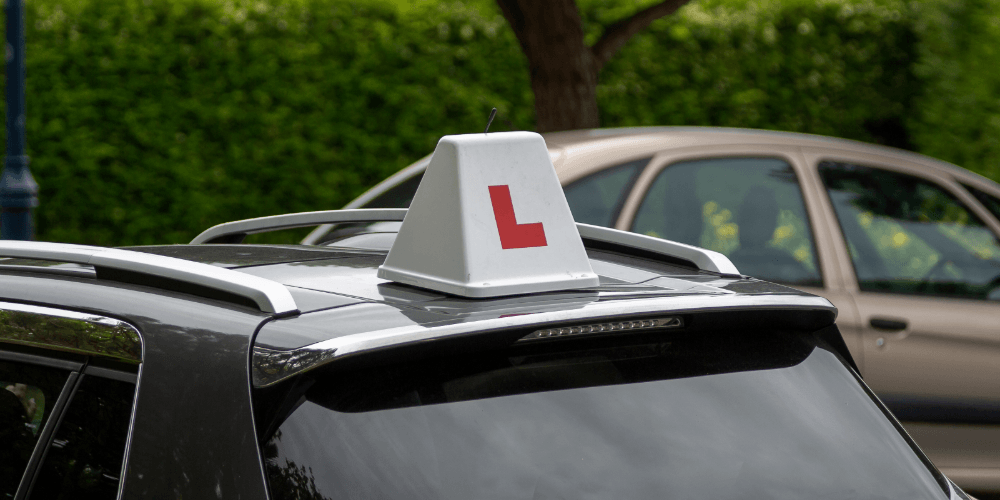
You run your own show and keep 100% of your lesson earnings. However, you must find your own pupils. You need to budget for local marketing, building a website (around £50 to £150 per year for hosting), printing business cards, and buying an illuminated car roof sign (about £100 to £150). You work harder to find clients initially, but you maximise your long-term profit margins once you build up positive word-of-mouth in your local area.
6. Accounting and Ongoing Operational Costs
When you start a driving instructor business, you become a self-employed professional. You must register with HMRC and file annual self-assessment tax returns. While you can do this yourself, many ADIs hire professional accountants to ensure they claim the correct expenses and maximise their tax efficiency. An accountant typically costs roughly £200 to £400 annually.
You must also budget for your daily running costs. Fuel represents your largest ongoing expense. Depending on how many hours you work, your vehicle’s fuel efficiency, and your local traffic conditions, you can easily spend £60 to £120 a week on petrol, diesel, or charging. If you own your car, you must also set aside money each month for wear and tear. Learners heavily tax a vehicle’s mechanics, meaning you will replace clutches, tyres, and brake pads much more frequently than the average driver. Finally, most modern UK instructors invest in a high-quality dual-lens dashcam (around £150 to £250) to protect themselves against fraudulent insurance claims.
The Total Estimated Startup Budget
Let us calculate a realistic estimate. If you choose a comprehensive 1-on-1 training package (£2,500), pay your essential DVSA fees (£641), secure a roof sign and basic marketing (£200), buy a professional dashcam (£200), and pay your first month of a leased vehicle and specialist insurance (£600), you should budget roughly £4,000 to £4,500 for your initial startup phase.
Starting a driving instructor business absolutely requires a solid upfront investment. However, it offers fantastic long-term rewards and immense personal satisfaction. Once you qualify, you unlock a highly flexible, recession-resistant, and profitable career. When you finally reach that milestone and secure your ADI badge, contact the friendly team at BG Insurance to secure the perfect driving instructor insurance policy for your exciting new venture!
Footnotes & References
The following links were used to research and compile the exact 2026 costs, exam details, and figures for this article:
-
-
-
Surepass Driving School: How Much Does It Cost To Become A Driving Instructor
-
RED Driving School: How Much Does Driving Instructor Training Cost?
-
Bill Plant Driving School: How much does it cost to learn to drive in the UK?
-
BG Insurance: Compare Driving Instructor Insurance Quotes
-