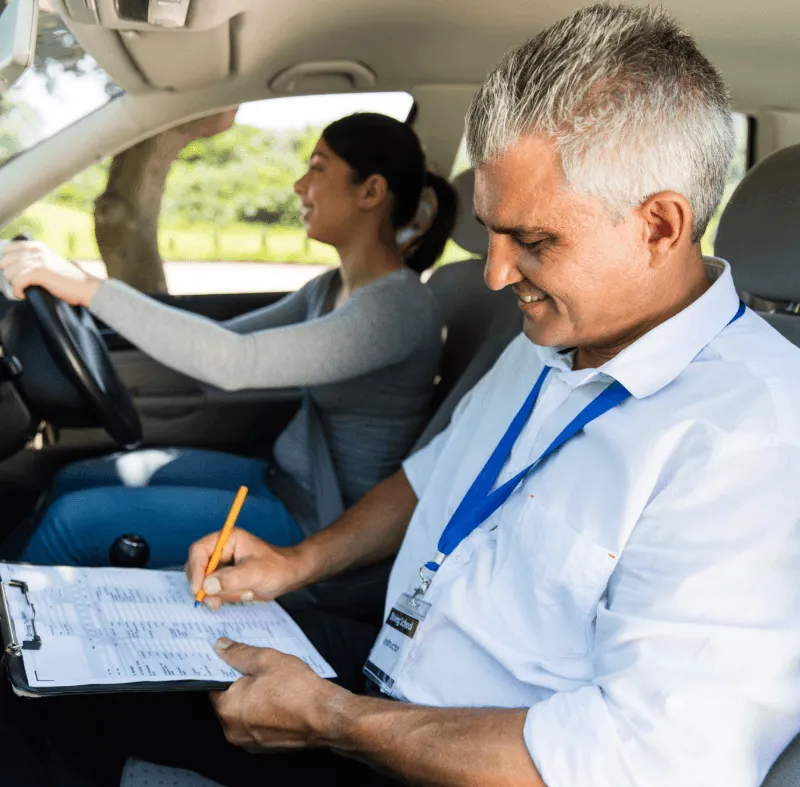
The DVSA has published the full text. It sets out how you should behave with pupils, run your business, use your car and even act in your personal life.
In this guide, we explain what the new code says, what changes for you, and how to get ready. We've also included a section just for PDIs, as trainees have some extra rules to follow.
When Does the New Code of Practice Start?
There's no fixed start date yet. The DVSA says the code will come in between late 2026 and early 2027. It applies in England, Scotland and Wales.
When it starts, it will replace two older documents:
The big change is that signing up is no longer optional. You'll need to declare that you've read and agreed to the code when you:
The DVSA says the old code hadn't been updated in a long time. The new one is meant to reflect how the industry works today, from social media to AI-made learning materials.
Must, Should and Could: How to Read the Code
The code uses three words, and each one means something different:
Must: a required rule. You have to do it.
Should: strongly recommended. Expect to explain yourself if you don't.
Could: good practice. It's your choice.
Focus on the "must" rules first. These are the ones the DVSA will hold you to if a complaint comes in.
What's in the Driving Instructor Code of Practice?
The code is long, but most of it falls into a few areas. Here are the rules that matter most day to day.
Your Conduct, On and Off Duty
The DVSA says you represent the profession even when you're not working. You're expected to be honest, act with integrity and follow the law. Your behaviour outside work can count if it affects road safety or public trust.
Being a "Fit and Proper" Person
You must be fit and proper to stay on the register or hold a trainee licence. The Registrar looks at each case on its own. They weigh up how serious an offence was, how long ago it happened and whether there's a pattern.
You're unlikely to pass this test if you have, for example:
5 or more penalty points on your licence.
Been disqualified from driving in the last 4 years.
A caution or conviction for offences such as assault, fraud, theft or drug offences.
Been barred by the DBS from working with children.
Points and convictions can also affect your cover. Read our guides on getting driving instructor insurance with points on your licence and driving instructor insurance with convictions.
Reporting Within 7 Days
You must tell the DVSA within 7 days if you're cautioned or convicted of any offence. This includes motoring offences. The same applies if you face an allegation or are barred by the DBS. Missing the 7-day window can be treated as misconduct in itself.
You also need to update your name, home address, business address or email within 7 calendar days of a change.
Safeguarding Your Pupils
You must keep pupils safe, especially under-18s and vulnerable adults. That means keeping clear professional boundaries. Under the code, you must not:
Have a sexual or romantic relationship with someone you're teaching.
Contact pupils in an inappropriate way outside lessons, including on personal social media.
Make unnecessary physical contact.
Use offensive language or act in an aggressive way.
The code also suggests taking a safeguarding course.
Your Car
Your car must be insured, roadworthy and legal. You must fit an extra rear-view mirror for yourself and display L plates correctly (D plates are optional in Wales). You should keep the car clean and free of loose objects.
Mobile Phones
You must not use a phone or tablet while instructing in a moving car. That includes hands-free calls. Park safely and turn the engine off before you use a tablet for notes or diagrams. You can get 6 penalty points for using a phone while instructing, and the DVSA could remove you from the register.
Driving Tests
You can't book, change, swap or cancel car driving tests for your pupils. Learners must do this themselves. Misusing the booking system could see you referred to the Registrar. Our guide to the 2026 driving test booking rule changes explains more.
On test day, you must not distract your pupil or interfere with the test. If you do, the examiner will stop it straight away.
Your Terms of Business
Pupils must get your terms in writing before their first lesson. These must include:
Your contact details.
Lesson prices and how long lessons last.
Your cancellation and refund policy.
How you handle their data.
How they can complain.
You must keep accurate lesson records and protect any money paid upfront. The Registrar can remove you for repeatedly cutting lessons short, turning up late or cancelling.
Marketing and Social Media
You must follow advertising rules. If you advertise a pass rate, you need to explain how you worked it out. You can't share pupils' photos, videos or dashcam footage without their written consent.
Displaying Your Badge
You must display your ADI badge, or trainee licence, in the windscreen during paid lessons.